



Construction Cost Control: Why projects lose margin during the build
A project can run without major disruptions and still produce weaker margins than expected.
Materials arrive on time, subcontractors complete their scope, work progresses according to schedule. From an operational perspective, the job appears successful. Yet when the project closes and the financials are reviewed, the margin is lighter than the estimated.
Nothing dramatic happened on site. There were no major failures or delays. The job simply absorbed costs that were not reflected in the original numbers. This situation is common across construction projects. Most cost overruns do not begin with a single mistake. They develop gradually when the estimate stops guiding financial decisions after the project begins.
Understanding how that disconnect occurs is essential for maintaining cost control during construction.
What cost control in construction actually means
Cost control is the process of ensuring that the project’s actual spending aligns with the costs established during estimating. Before work begins, contractors prepare a detailed estimate that defines the expected cost of the project. This estimate typically includes:
- Material quantities and pricing
- Labour hours and costs
- Subcontractor pricing
- Equipment usage and costs
- Allowances for variations
Cost control is the process of ensuring that the project’s actual spending aligns with the costs established during estimating.
Cost Control
Construction is the process of designing, planning, and building structures such as homes, offices, bridges, roads, and large-scale infrastructure projects. It involves a combination of engineering, architecture, and skilled labor to transform ideas into reality.

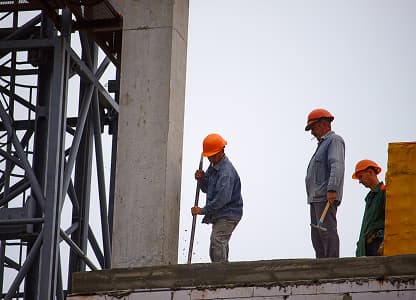
Structural engineering is a crucial branch of civil engineering that focuses on designing, analyzing, & constructing safe, durable, and efficient structures. It ensures that buildings, bridges, towers, and other infrastructures can withstand various forces such as gravity, wind, earthquakes, and environmental conditions.
Structural engineers bridge the gap between architectural vision and real-world feasibility. They play a vital role in urban development, disaster resilience, and infrastructure longevity,
Comments are closed